Việt Nam
Vietnam seeks to simplify financial-capacity rules as it updates 2017 local-access casino decree
Vietnam’s Ministry of Finance has released an impact assessment report for a new draft decree that would replace Decree 03/2017 on casino operations, aiming to remove regulatory obstacles and align the legal framework with current laws, according to local outlet VietnamNet.
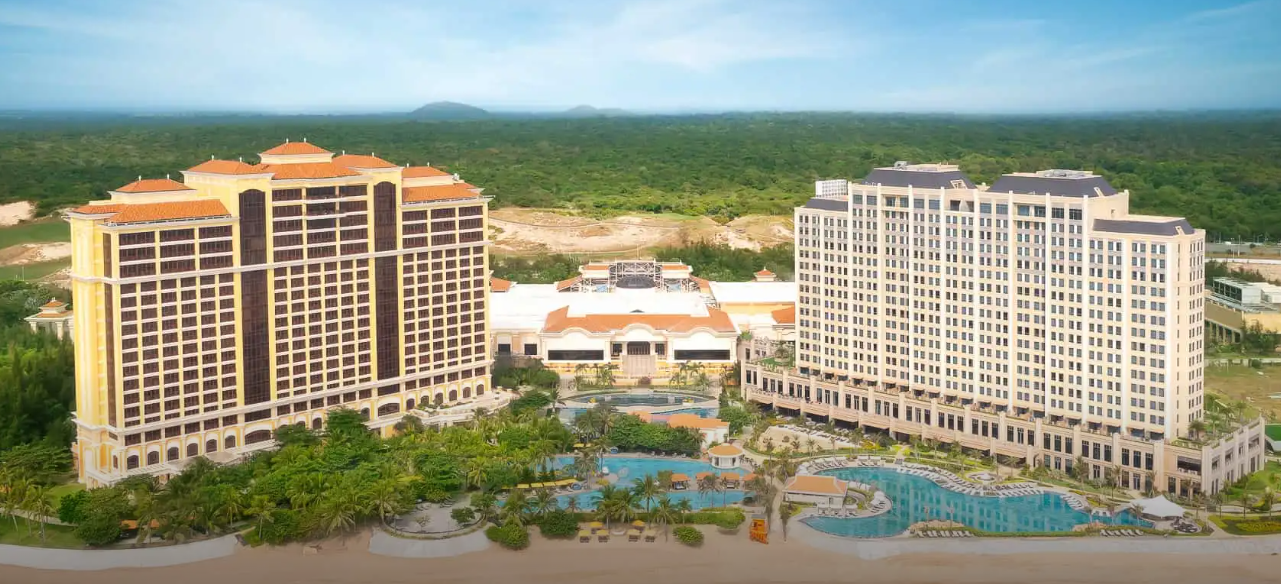
The move comes just weeks after the government approved permanent locals gaming at Phu Quoc’s Corona Resort & Casino and authorised The Grand Ho Tram to admit Vietnamese citizens under a new five-year pilot scheme.
The draft decree outlines revised rules for permitting Vietnamese citizens aged 21 and older to enter and play at casinos, while streamlining administrative processes. Existing eligibility requirements would remain: players must have full civil act capacity, demonstrate financial capability, purchase an entry ticket, and not appear on a family-requested or self-exclusion list. They would also be required to use Vietnamese Dong (VND) for chip purchases, with refunds available for unused chips.
According to the ministry, these conditions have proven effective in regulating local participation without major enforcement issues. However, the financial-proof requirement has become a practical challenge, often obliging players to submit multiple documents and creating administrative burdens for both customers and operators.
In its evaluation of the current decree, the ministry said Vietnam’s casino regulatory system remains comprehensive: covering licensing, importation of gaming equipment, public security oversight, and foreign exchange controls. Even so, officials argue that several provisions need updating or expansion to reflect new policy directions and improve regulatory efficiency.
The ministry noted that the proposed decree is intended to address practical needs and enhance policy coherence as the market continues to develop.
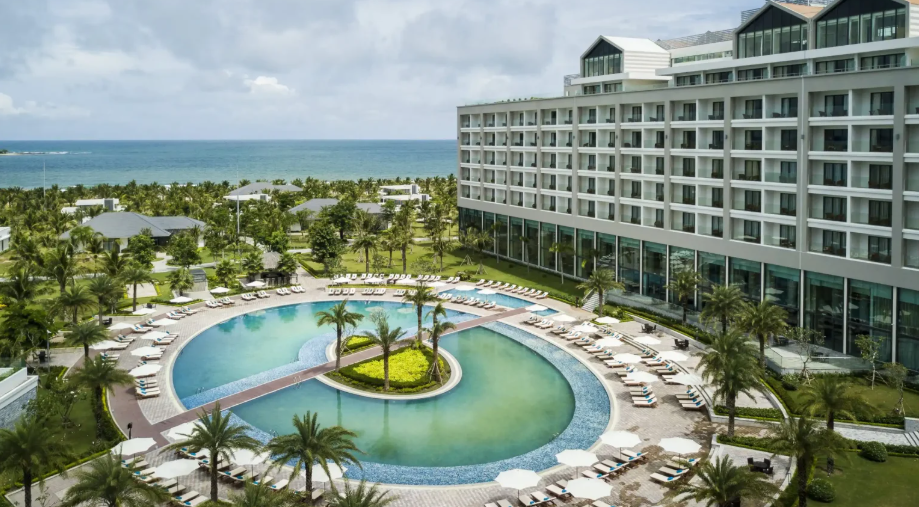
The report also stated that Vietnam currently has nine operational casinos—six small-scale properties and three large integrated resorts—with two additional projects under construction. Major venues are located in Ho Tram, Hoi An, and Phu Quoc.
From 2017 to 2022, the casino sector generated VND22.89 trillion ($950 million) in revenue and contributed VND11.81 trillion ($490 million) to the state budget. The industry recorded a downturn between 2019 and 2021 due to the COVID-19 pandemic.
Phu Quoc’s casino operated a pilot locals-gaming program from 2019 to 2024. During this period, Vietnamese players accounted for 52 percent of total visitation but generated 88 percent of revenue, with most customers being men aged 30 to 49.
The new five-year pilot scheme also covers the future $2 billion Van Don Integrated Casino & Tourism Complex, planned for development in a special economic zone (SEZ) in Quang Ninh Province on Vietnam’s northeastern coast. According to the developer’s latest update, the resort is slated to be fully operational by 2032.
Source: AGBrief
Tin mới




Tin khác
most popular

Projects

Feature

The Government Office has just announced the conclusion of Deputy Prime Minister Truong Hoa Binh about the meeting with leaders of Quang Ninh province on August 31. Regarding the investment policy of the high-end resort and entertainment complex project with casino in Van Don economic zone, the...